Artist Feature: Tristan Bres
Tristan Bres is a French musician, composer and visual artist. After starting in 2018, he began creating vector based video art for personal artistic projects. Currently he creates images from sound using oscilloscopes, a modified Vectrex game console, CRT displays and analogue video synthesis. “What fascinates me is the relationship between sound, electricity and light. Rather than treating visuals as something that illustrates music, I try to create audiovisual performances where both emerge from the same signal and evolve together as a single artistic language”.
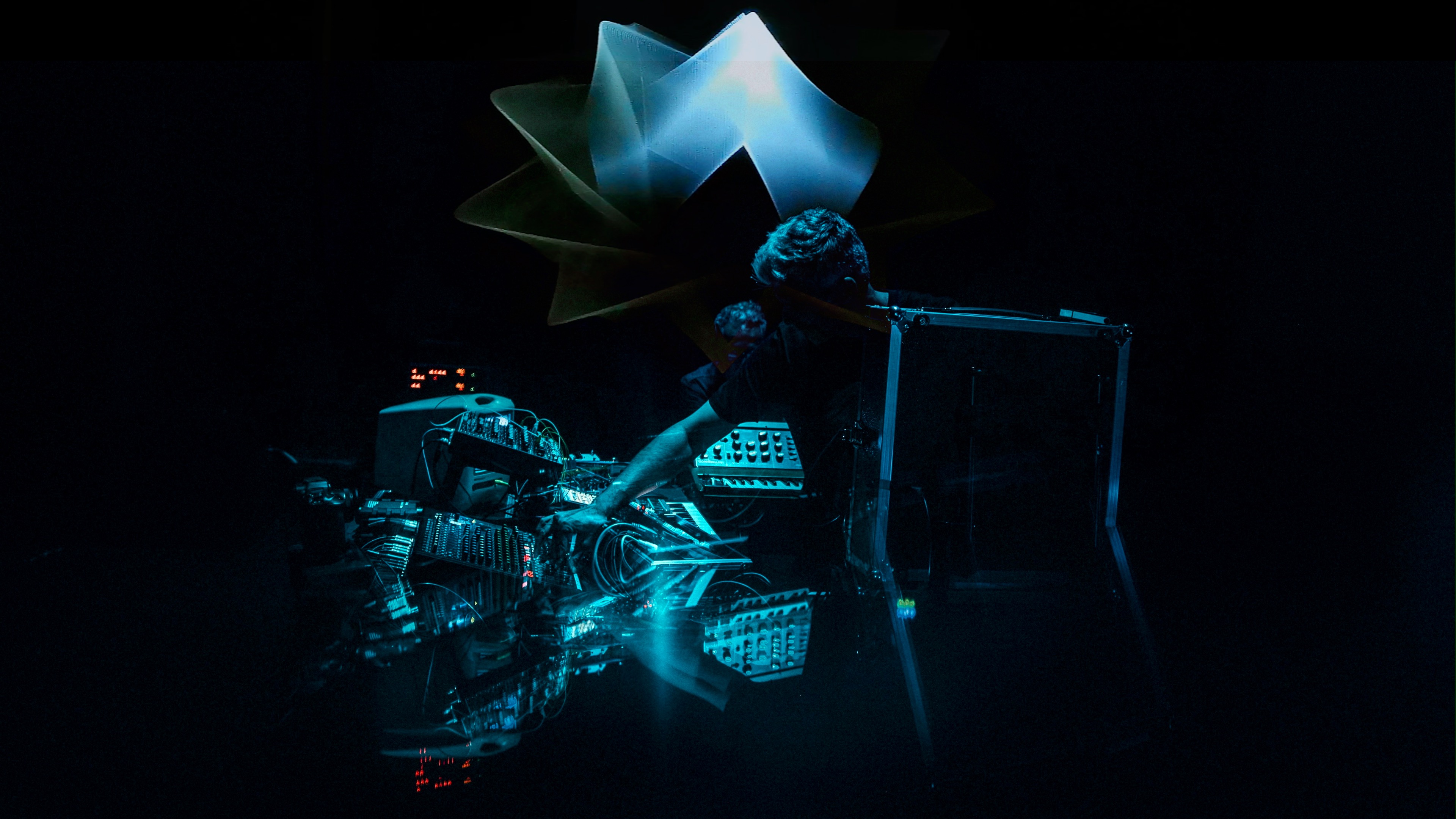
Tristan was always fascinated by analog television sets and all of their beautiful imperfections, but everything changed after attending a modular synthesis workshop. Tristan was completely entranced when his instructor used an analog oscilloscope to explain waveforms, fascinated by the idea of seeing the sound he was hearing. Soon after, he started collecting oscilloscopes from schools getting rid of them, aiming to connect audio oscillators in XY mode to draw Lissajous figures. “That was the moment I realized that an audio signal could become a drawing tool”. Gradually, he dug deeper and deeper into his research, discovering the pioneering work of Ben Laposky in the 1950s, and Jerobeam Fenderson's Music for Oscilloscopes. Soon enough, the idea of creating a live audiovisual performance built around cathode-ray tubes first began to take shape.
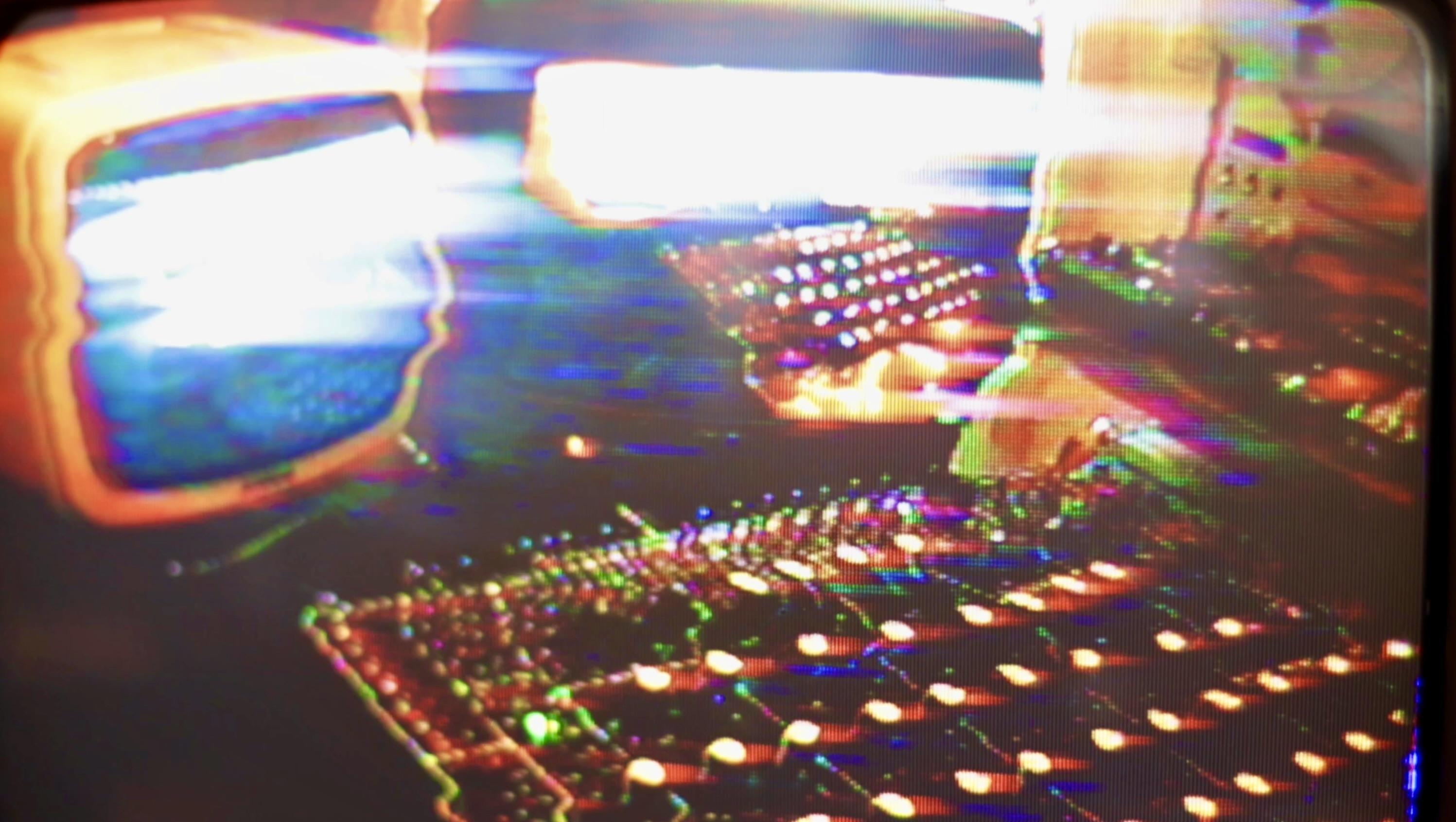
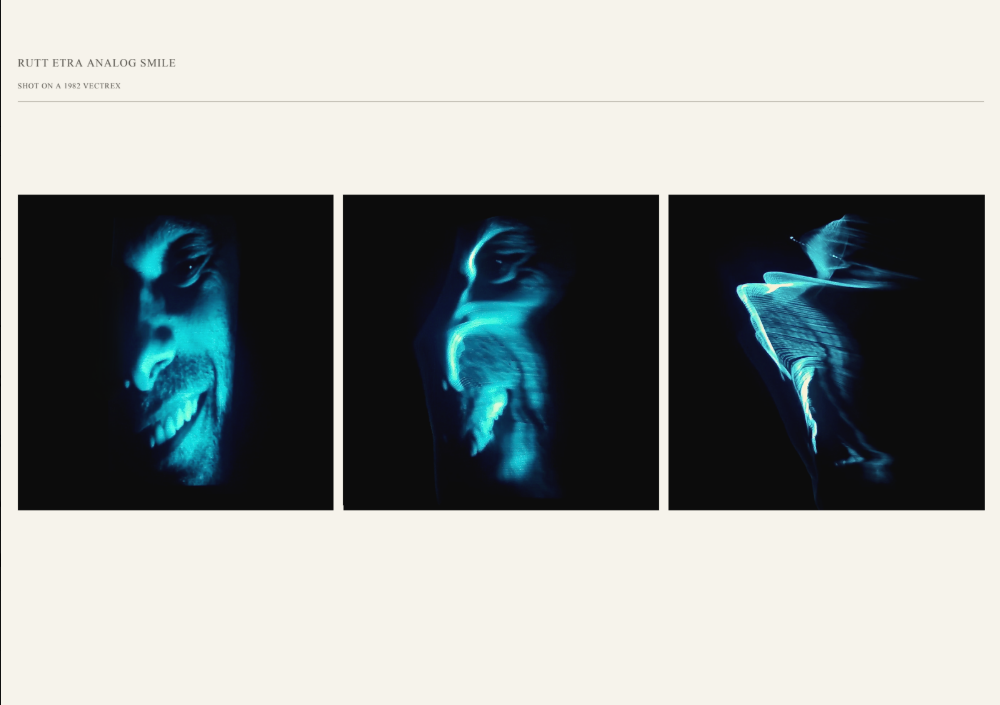
“I don't think of my work as using a single technique. Instead, I see it as a dialogue between several visual languages that all share the same analogue DNA”. Occasionally, he starts with Vector Synthesis, building images directly from electrical signals. Other times he uses simple 3D wireframe geometries created in Blender and transformed into analogue vector signals through Osci Render, before sending them into a modular system. Oftentimes Tristan explores Rutt-Etra-inspired patching techniques, using video as raw material to generate abstract geometry. “Although these approaches are very different, they all converge toward the same goal: creating visuals that are performed rather than simply played back”.
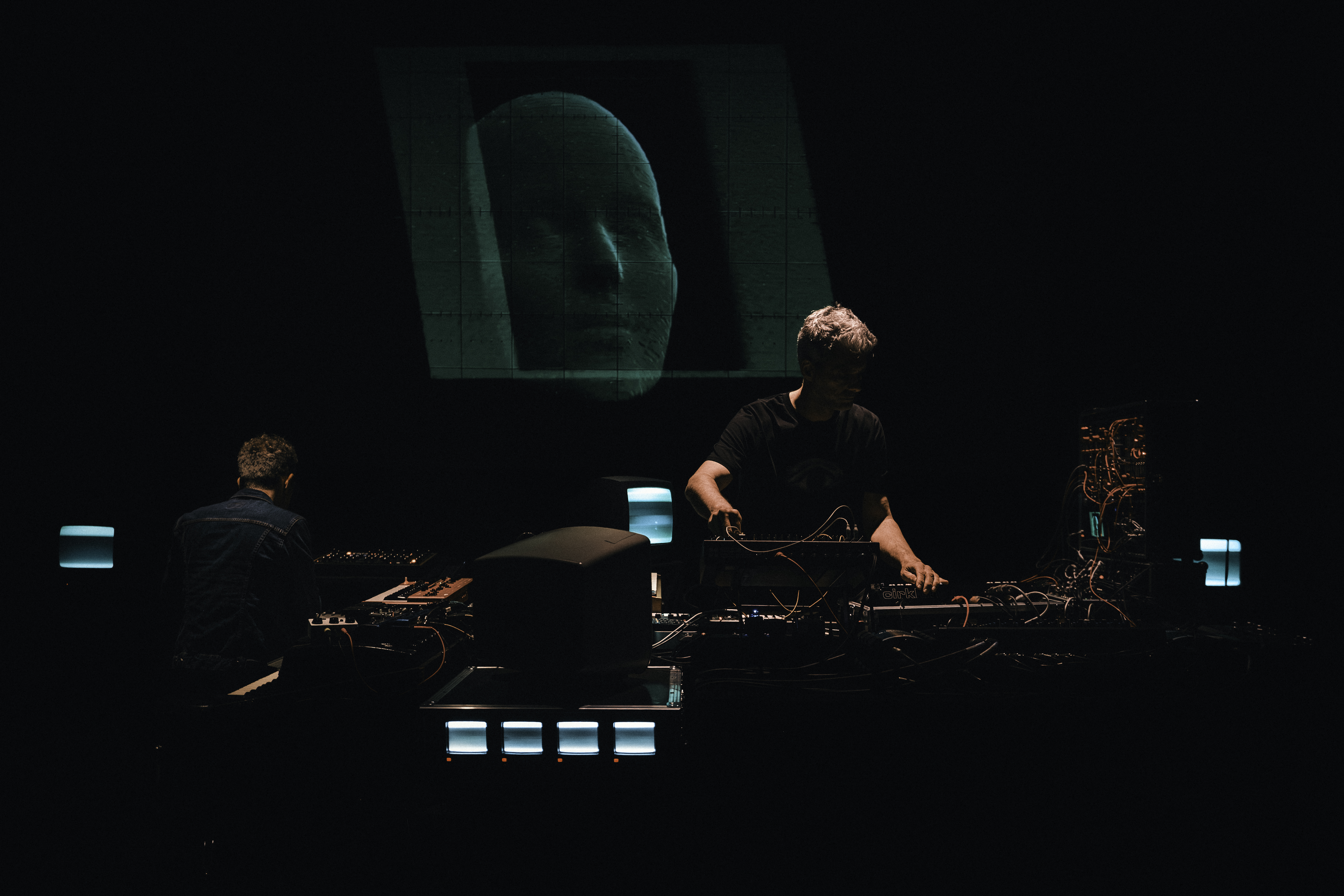
Nowadays Tristan Bres is continuing his research into analogue vector synthesis, exploring the dialogue between generative 3D geometry, modular video synthesis and CRT displays to develop new visual languages for live performance. He has recently completed a visualizer for the French music band General Elektriks, alongside an audiovisual live tour in Asia, and a performance at Wonderfruit Festival in Thailand this December. “I'd like to keep pushing the boundaries between music, analogue video synthesis and live performance. Rather than thinking of visuals as something that accompanies music, I'm interested in building a true audiovisual instrument where sound and image are created together and influence each other in real time”.